Influenza A and B in Kids: Symptoms, Home Care & Daycare Prevention Guide
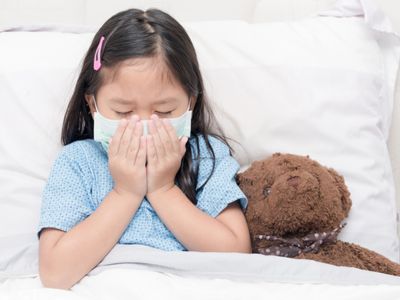
There is nothing quite as heart-wrenching as waking up in the middle of the night to touch your toddler’s forehead and feeling that intense, burning heat. Seeing your active, cheerful child suddenly limp with fatigue, shivering uncontrollably, and crying from full-body muscle aches catches any parent off guard. During seasonal spikes across our neighbourhoods, cases of influenza in kids Malaysia can escalate rapidly.
When your child spends their weekdays learning and making friends at a childcare centre Puchong or you are currently touring a kindergarten near me, you might wonder why respiratory bugs sweep through classrooms so swiftly. Energetic toddlers naturally play in close quarters, explore shared sensory toys, and touch surfaces constantly while their young immune systems are still developing. Understanding the critical differences between a typical common cold and child flu symptoms high fever gives you the confidence to act quickly.
Understanding Influenza A vs B in Children

While both viruses cause acute seasonal respiratory illness, recognizing how influenza A vs B children behaves helps you stay ahead of their symptoms.
Strain Characteristics & How They Affect Toddlers
- Influenza A (High Severity & Rapid Outbreaks): Known for driving large community surges, Type A tends to hit aggressively with sudden, high-grade fevers (39°C to 40.5°C), persistent dry coughs, severe chills, and intense exhaustion. Because it mutates rapidly, it easily affects both young kids and adults.
- Influenza B (Lingering Fatigue & Tummy Aches): Primarily targeting humans and hitting preschoolers hard, Type B often comes with prominent gastrointestinal distress. Along with upper respiratory congestion, children frequently experience stomach cramps, nausea, vomiting, loose stools, and deep muscle soreness.
Critical Red Flags (When to Seek Emergency Medical Care)
- Respiratory distress: Rapid breathing, wheezing sounds, flared nostrils, or visible chest indrawing.
- Severe dehydration: Inability to keep fluids down, crying without tears, cracked dry lips, or no wet diapers for more than 6 hours.
- Neurological signs: Extreme lethargy, difficulty waking up, unresponsiveness, confusion, febrile fits, or bluish lips and nail beds.
Essential Home Care, Treatment & Recovery Plan
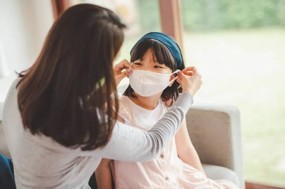
When your family paediatrician confirms the flu, the initial 48-hour window is vital for a smooth recovery.
Step-by-Step Relief & Home Management
- Timely Antiviral Treatment: Antiviral medications (such as Oseltamivir/Tamiflu) are most effective when started within the first 48 hours of symptom onset. Always consult your paediatrician for precise dosages, and never administer aspirin to children or teenagers due to the risk of Reye’s syndrome.
- Proactive Hydration Strategy: Prioritize liquids over heavy solid meals. Keep fluids coming in small, frequent sips using oral rehydration salts (ORS), warm bone broths, diluted fruit juices, or homemade electrolyte ice pops to comfort an inflamed throat.
- Gentle Fever & Body Care: Perform lukewarm sponge baths (tepid sponging), dress your toddler in light cotton clothing, and run a cool-mist humidifier in the bedroom to ease congested airways.
- Annual Immunization: Securing an annual flu vaccination for kids Malaysia from six months of age remains one of the best preventative shields against severe flu complications and hospital stays.
Proactive Prevention: How Quality Preschools Stop the Spread
A dedicated tadika Puchong should prioritize child health and hygiene just as rigorously as learning milestones. High-standard early childhood education centres enforce a strict childcare infection control SOP to break the chain of viral transmission:
Daily Campus Health Protocols at iKidHouse
- Arrival Sieve & Health Screenings: Conducting contactless temperature checks and visual symptom assessments at the entrance before children enter learning areas.
- Hospital-Grade Disinfection & Air Quality: Sanitising high-touch educational toys, reading corners, and dining tables daily with child-safe virucidal solutions, supported by medical-grade HEPA air purifiers in all active classrooms.
- Strict Return-to-School Policy: Enforcing a mandatory isolation rule requiring recovering children to be fully fever-free for at least 24 to 48 hours (without the use of fever-reducing medication) before returning to class.
- Hygiene Habits in Daily Play: Embedding healthy routines naturally into early childhood education by teaching 7-step handwashing and the elbow-catch cough technique through lively songs and guided circle time.
Guiding Your Child Back to Health
Managing seasonal flu requires extra patience and gentle care, but with prompt hydration, restful home care, and a secure hygiene bubble, your little explorer will be back on their feet in no time.
If you are looking for a hygienic, attentive, and supportive early learning environment for your child in Bandar Puteri Puchong, we would love to welcome you. Discover our holistic programmes and view our daily safety measures firsthand by visiting the iKidHouse Inquiry Page today!