HFMD Kanak-Kanak: Tanda-Tanda Awal, Rawatan di Rumah & SOP Taska Setiap ibu bapa pasti berasa bimbang apabila menerima notis pemakluman...
As parents, reading the news lately has been heart-wrenching. Recent tragic incidents of school violence in Malaysia, such as the fatal stabbing of a student at SMK Bandar Utama 4 and the shocking stabbing incident at a secondary school in Banting have shaken communities across the country. These painful real-world events bring up intense national concerns regarding youth mental health, unmanaged emotional turmoil, and rising aggression among students. When teenagers struggle to handle rejection, anger, or peer conflict, it often signals a lack of foundational support in emotional management earlier in life.
Waiting until our children reach their teenage years to teach them emotional control, conflict resolution, and healthy social boundaries is simply too late. Moral values, emotional regulation, and self-control must begin during early childhood. When we introduce concepts like empathy, unity, and respect during the preschool years in simple, child-friendly ways, we give our little ones the emotional toolkit they need to navigate big feelings, build healthy friendships, and resolve disagreements peacefully long before negative behaviors take root.
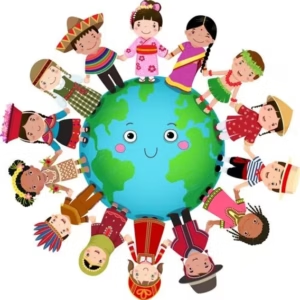
Living in Malaysia gives our children a front-row seat to a beautiful multicultural tapestry. Early childhood is the ideal time to introduce preschoolers to Malaysia’s primary ethnic groups, Malay, Chinese, Indian, and Indigenous communities through festive celebrations, traditional dress-up days, and everyday greeting customs. Exposing young children to diverse languages, nursery rhymes, and multicultural music builds an early appreciation for local heritage while making cultural diversity feel natural and welcoming from a young age.
Building empathy in early childhood involves helping toddlers understand and value the daily habits and traditions of their peers:
Participating in cooperative group projects directly supports social emotional development in preschoolers. Hands-on art activities such as working together on a large multicultural collage or painting a shared mural teach toddlers how to share art supplies, take turns, and communicate gently. Cooperative games like parachute play or group obstacle courses focus on teamwork rather than competition, showing kids that accomplishing tasks together is far more fun than playing alone.
Storytelling sessions that feature folklore from different cultures help toddlers see the world through another person’s eyes, teaching moral lessons about honesty, kindness, and understanding. Engaging character building activities for toddlers, such as playing dress-up or acting out peaceful ways to resolve a shared-toy conflict, give little ones a safe space to practice self-control, active listening, and empathy.
Simple daily sharing routines play a huge role in teaching respect to young children. Encouraging children to bring a favorite toy or a healthy snack from home to show and share with their peers teaches generosity, patience, and gratitude. These small classroom moments build a tight-knit community where mutual respect becomes second nature.
As parents, we are our children’s primary role models. Showing patience, emotional restraint, and open-mindedness during everyday family interactions teaches our kids how to respond when they feel angry or frustrated. Keeping family conversations positive and avoiding dismissive or prejudiced remarks at home ensures our children absorb healthy, empathetic attitudes.
You can turn weekend family meals into delightful learning experiences by trying dishes from different local cultures together. Visiting neighbourhood hawker stalls, trying new foods, and discussing where dishes like nasi lemak, roti canai, dim sum, and thosai come from makes cultural exploration a fun family routine.
Take full advantage of Malaysia’s festive seasons by taking your kids to Hari Raya, Chinese New Year, Deepavali, or Gawai open houses. Visiting a friend’s home exposes your child to different living environments, home etiquette, and cultural hospitality, turning abstract lessons about respect into real-life memories.
During bedtime or driving home from school, ask gentle, open-ended questions like, “Who did you talked to today?” or “What made your friend smile today?” These casual chats help your child reflect on their day, normalize talking about big emotions, and reinforce how to respond to peer conflicts with kindness instead of frustration.
Nurturing self-control, empathy, and cultural respect during early childhood lays the ground for emotional resilience and lifelong social harmony. When parents and educators partner up to teach unity early on, we equip our children with the character and emotional strength needed to grow into caring, responsible adults.
If you are looking for a supportive preschool Puchong or nursery Puchong that places character building and emotional growth alongside academic readiness, we would love to welcome you into our community. Whether you have been searching for a nurturing preschool near you in Puchong, an engaging kindergarten, or a trusted kindergarten in Puchong, feel free to reach out to us! You can easily fill up our contact form at iKidHouse Inquiry to learn more about our holistic programs today!