Haze Alert: 5 Clinics in Bandar Puteri Puchong Every Parent Should Save Before the Next Midnight Fever It’s 2am. The...

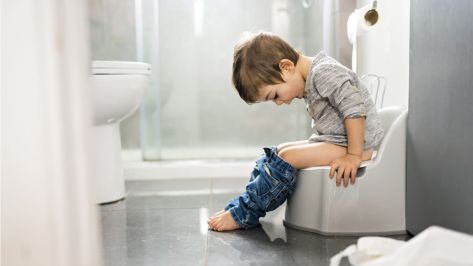
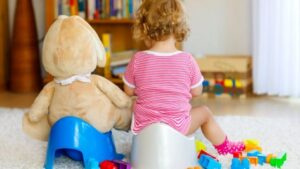
If you are currently staring at a mountain of diapers while looking at preschool enrollment forms, take a deep breath. You are definitely not alone in this journey. For many of us managing careers and families around Puchong, the sudden pressure to have our toddlers fully toilet-trained before they step into a classroom can feel completely overwhelming.
Basic toilet training is a major developmental milestone for toddlers, but it is not a race. Moving from diapers to underpants requires a blend of physical maturity, emotional readiness, and a whole lot of parental patience. By approaching this transition with a gentle, structured strategy, you can easily prepare your little one for the classroom without the added tears.
Forcing a child to use the toilet before their body and mind are ready is one of the most common mistakes parents make, often resulting in prolonged power struggles and anxiety. Instead of rushing the process based on an arbitrary age, look closely for these clear readiness signs:
Once your child shows these signs, you can establish a simple, predictable daily routine to build their confidence. Start by scheduling regular “potty breaks” during natural transition points throughout your day, such as right after waking up, 20 minutes after meals, and right before heading out the door or going to bed.
Keep your expectations low during the first few weeks. Let your toddler sit on the potty for just three to five minutes at a time. If they go, celebrate with plenty of praise! If they do not go, calmly reassure them and try again later without showing any disappointment.
When you start practicing this routine outside the house, being prepared helps keep situations stress-free. Always pack a dedicated “accident bag” containing:
Here is an important reminder from one parent to another: accidents are an absolute, normal part of the learning process. They are not a sign of failure, nor are they a sign that your child is being stubborn.
When an accident happens, keep your voice calm and neutral. Simply say, “It’s okay, let’s go wipe up and change into dry clothes. Next time, we will try to put the pee-pee in the potty.” Scolding, forcing, or shaming a child for missing the toilet can trigger intense emotional resistance, causing them to hold in their stool, which leads to painful constipation. Avoid rushing the process; every child develops at their own unique pace.
A major worry for parents is how their child will cope once they start school. Fortunately, our trained early childhood educators are absolute experts at handling this exact transition.
Our certified teachers support your child gently by implementing structured classroom bathroom schedules and using positive peer encouragement. When a toddler sees their classmates washing their hands and using the toilet independently, they naturally want to mirror that behavior. Our educators maintain an optimal, low caregiver ratio so they can respond promptly to your child’s cues and manage any minor accidents with complete privacy and care.
You do not have to handle the stress of preschool preparation entirely on your own. A successful early childhood foundation relies on a stable, supportive environment where parents and educators work hand-in-hand.
At iKidHouse Bandar Puteri Puchong, we design our nurturing programs to complement your active parenting lifestyle. Our comprehensive early childhood care accommodates multiple age groups under one roof, providing low teacher-to-child ratios that ensure your little one receives personalized attention. We seamlessly weave healthy toilet habits, sensory play, and proper nap cycles into a balanced daily routine, helping your toddler build the independence they need for future academic and social success.
“Every stage of early development shapes your child’s future path.” Ready to give your little one a nurturing environment to grow? Fill out our inquiry form here at iKidHouse to explore our early education programs for your children today!